Tree Transplanting: Ensuring Successful Relocation and Growth Mar 13, 2026
When considering tree transplanting, the first stage involves assessing the tree's health and the suitability of both the current and future planting sites. A healthy tree is more likely to withstand the stress of relocation. Look for signs of vitality such as healthy leaves, robust growth, and the absence of disease. The new site should suit the tree species' needs in terms of sunlight, soil type, and space for growth.
The timing of the move is crucial. The dormant seasons of fall and early spring are generally ideal for transplanting. During these periods, trees are less active metabolically, which minimizes the shock and stress associated with the move. This allows the root system to establish itself before the growing season.
One of the most critical steps in tree transplanting is preparing the root ball. Proper root ball preparation ensures the tree's roots remain intact and recover well in the new location. Start by calculating the required root ball size based on the tree's diameter, which can often be about 9 to 12 times the trunk diameter at breast height. When preparing the root ball, ensure it is moist to safeguard the roots during the move.
Once the root ball is appropriately prepared, the physical act of moving the tree requires both skill and care. Specialized equipment may be necessary, especially for larger trees, to avoid damaging the heavy root system. It's important to support the root ball securely during the move, using burlap or a tarp to keep it intact.
Planting the tree in its new location is an equally critical step. Dig a hole slightly larger than the root ball to allow room for growth, and ensure the tree's root flare is at ground level to promote healthy root development. Once planted, the tree should be watered thoroughly to eliminate air pockets and settle the soil, encouraging the root system to expand into the surrounding earth.
Aftercare is essential for the transplanted tree to adapt and flourish. Consistent watering is crucial, especially in the weeks immediately following the transplant, as it helps establish roots. Mulching around the base of the tree can conserve moisture and regulate temperature. Monitoring for signs of stress, such as wilting or yellowing leaves, is important to address potential issues promptly.
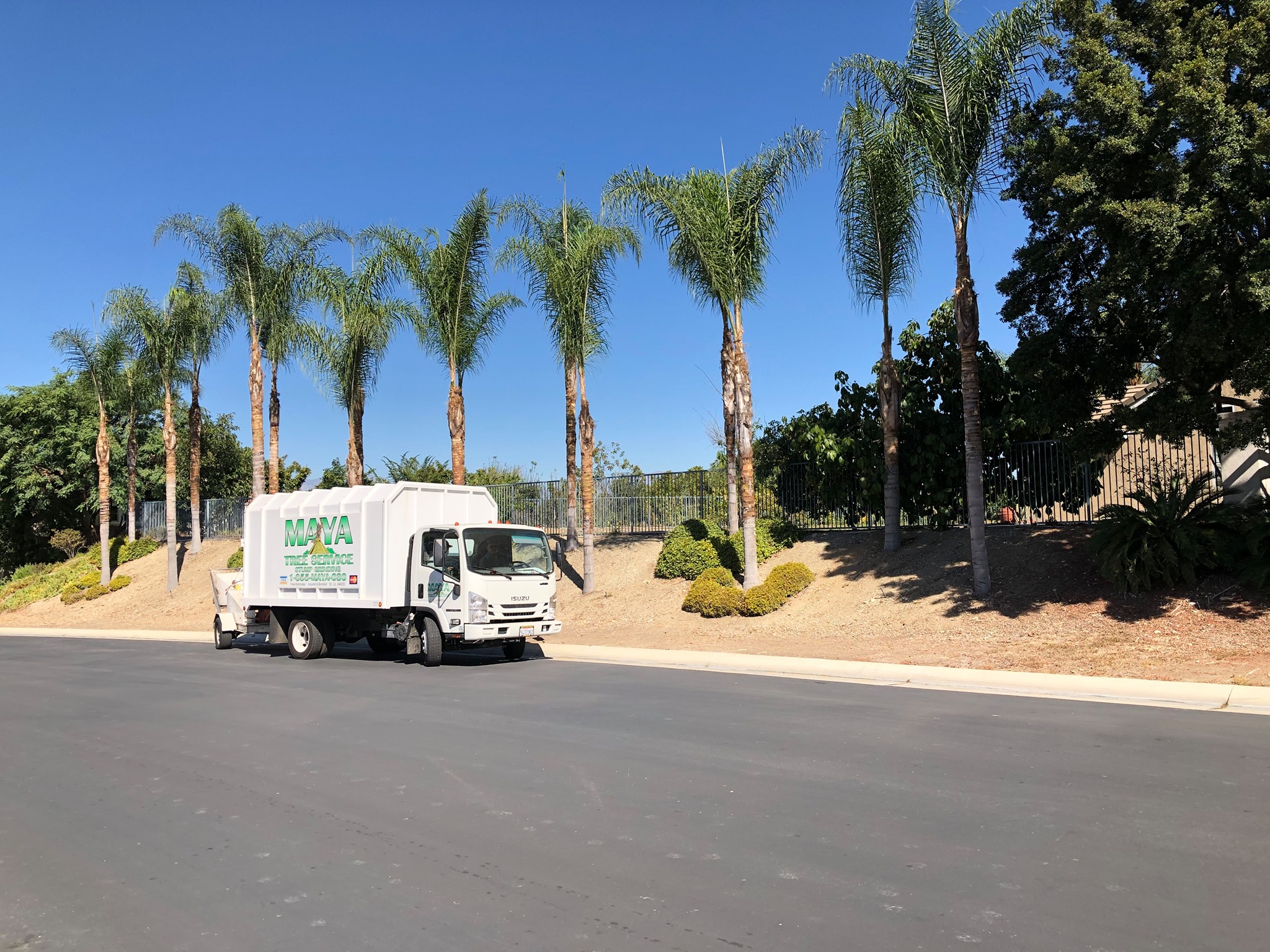
In conclusion, successful tree transplanting requires a combination of timing, skill, and attention to detail. By carefully preparing for each phase of the process, from assessing the health of the tree to ensuring proper aftercare, tree owners can increase the likelihood of a successful and healthy relocation. Whether you're moving a tree for aesthetic reasons, to accommodate construction, or to save a cherished landscape feature, partnering with experienced professionals like Maya Tree Service can significantly enhance the chances of success. By understanding the critical steps involved and the importance of each, tree owners can enjoy the benefits of a beautiful, thriving landscape for years to come.
/filters:no_upscale()/filters:format(webp)/media/a756798d-37d9-4ba7-abb5-2df123d8d90e.jpeg)
/filters:no_upscale()/filters:format(webp)/media/38c30262-eddb-44a1-b204-4888d6dbc02c.jpeg)