The Role of Trees in Enhancing Biodiversity in Urban Areas Mar 30, 2026
As our cities expand, creating more space for buildings and roads, urban biodiversity faces significant challenges. However, the introduction and nurturing of trees in these environments play a pivotal role in turning the tide. Trees provide essential habitat and food resources for various species, from birds and insects to small mammals. By offering a home and foraging opportunity to these creatures, trees facilitate the formation of complex food webs that sustain urban wildlife.
Moreover, the diverse range of tree species in urban areas contributes to this biodiversity. When you include a mix of native and adaptive non-native trees, you create niches for a variety of species. The greater the variety of trees, the more robust and resilient the ecosystem becomes, ready to withstand pests, diseases, and changing climatic conditions. This diversity acts as an anchor, allowing urban areas to support life beyond what appears to be possible in concrete jungles.
The role of trees extends beyond just supporting wildlife. They also improve air quality, moderate temperatures, and absorb stormwater, offering a cleaner, healthier environment for humans and creatures alike. Trees serve as natural air filters, removing pollutants from the air and producing oxygen. This improves overall air quality and creates a pleasant environment that can sustain a wider range of species. By regulating temperatures, trees create cooler microclimates, offering respite for both animals and humans during hot summer months.
Another critical aspect of trees in an urban setting is their impact on mental health and social wellbeing. Urban greenery has been associated with reduced stress levels, increased community interaction, and an overall sense of well-being. These green spaces have the potential to educate city dwellers about the importance of biodiversity, encouraging environmental stewardship and collaborative community efforts in conservation.
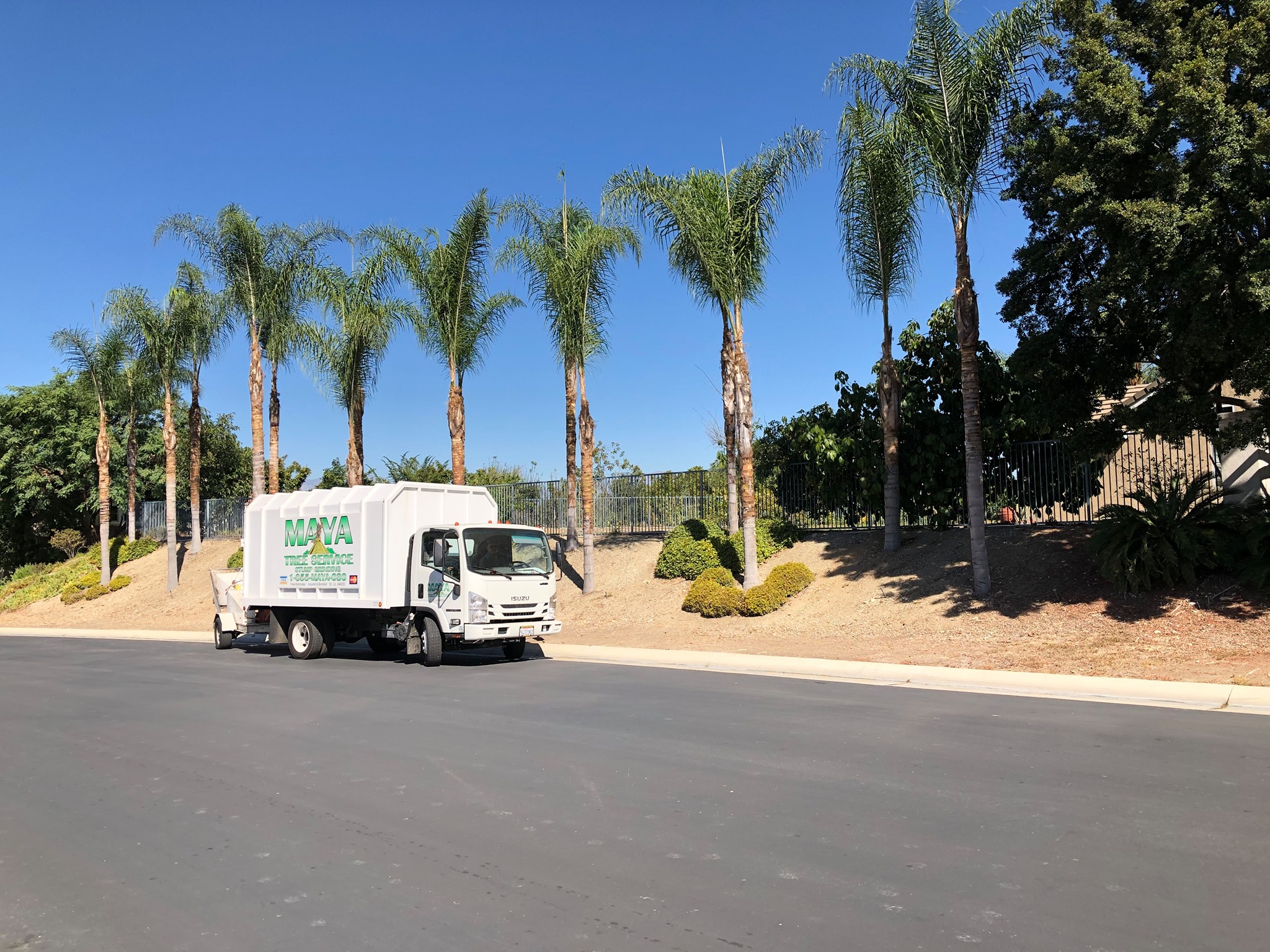
Maintaining and increasing tree cover in urban areas, however, requires dedicated effort and expertise. Here, services like those provided by Maya Tree Service play a crucial role. The proper care, planting, and maintenance of trees prevent disease, promote robust growth, and ensure the safety of these green assets. Expert guidance helps maintain the balance between urban development and biodiversity conservation, fostering environments where both trees and human structures can coexist harmoniously.
As our cities continue to grow, integrating more trees and focusing on their benefits is essential. Through community efforts and professional guidance, urban areas can be transformed into biodiversity havens. This effort, while benefiting current residents, has the potential to impact future generations positively. By recognizing the intrinsic value of trees and acting to protect them, urban areas can fulfill their potential as vibrant, diverse ecosystems.
In conclusion, trees are integral to enhancing biodiversities in urban areas. Their presence supports wildlife, improves environmental conditions, and enriches human life. By nurturing trees, urban areas can transcend their concrete confines and embrace natural beauty, ensuring a sustainable and dynamic future for all inhabitants.
/filters:no_upscale()/filters:format(webp)/media/a756798d-37d9-4ba7-abb5-2df123d8d90e.jpeg)
/filters:no_upscale()/filters:format(webp)/media/38c30262-eddb-44a1-b204-4888d6dbc02c.jpeg)