The Impact of Tree Root Systems on Urban Infrastructure Feb 28, 2026
Trees are vital to urban spaces, offering shade, improving air quality, and enhancing aesthetic appeal. However, beneath the surface, their root systems are doing a significant amount of work. Roots extend far and wide in search of water and nutrients, which can sometimes lead to disruptions in urban infrastructure. Sidewalks, roads, sewage pipes, and building foundations are all potential targets for invasive roots. When tree roots grow too aggressively or in confined areas, they can cause sidewalks to lift, roads to crack, and pipes to clog or burst.
Root systems vary significantly depending on the tree species. Some trees, like willows or maples, have extensive, aggressive root systems that can cause more infrastructure damage compared to trees like oaks or pines, which generally have deeper but less invasive root patterns. It's essential for city planners and property owners to choose tree species wisely, considering not just the environmental benefits but also the potential for root system-related problems.
One strategy that urban developers and municipalities can adopt is the implementation of structural barriers. These barriers help guide roots away from sensitive areas and into more suitable soils, reducing the likelihood of damage. Materials such as root barriers or different soil types can be used strategically in urban planning to manage the growth direction of roots, thus protecting essential infrastructure.
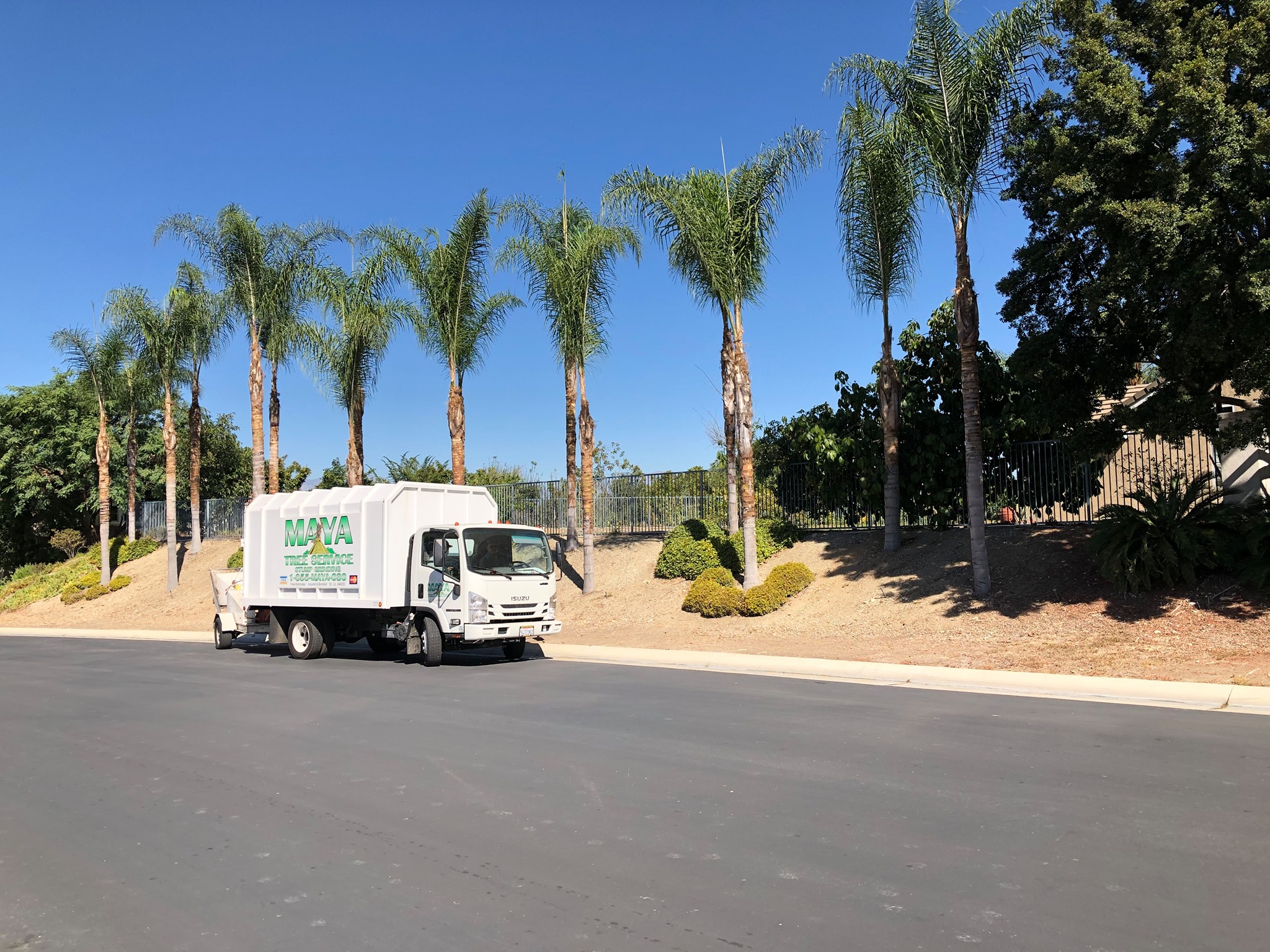
Another effective technique involves regular maintenance and inspections performed by professionals like Maya Tree Service. Pruning is not just for branches; root pruning helps to control the growth and spread of roots. This practice can be a proactive way to manage the potential impacts on infrastructure while ensuring the tree remains healthy. Additionally, installing root aeration systems can promote downward root growth, minimizing lateral spread that typically causes damage.
One of the most critical aspects is public awareness and community involvement. Educating citizens about choosing suitable sites for tree planting on their property can significantly reduce infrastructure conflicts. For instance, homeowners should be mindful of planting large trees close to their homes or driveways. Consulting with expert services can provide guidance tailored to specific urban environments, ensuring a harmonious coexistence between trees and city structures.
Finally, the impact of tree root systems on urban infrastructure, while significant, is manageable with proper planning and maintenance. By focusing on strategic tree placement, incorporating barriers, conducting regular maintenance, and fostering public awareness, urban areas can enjoy the benefits of their leafy inhabitants without undue risk to crucial infrastructure.
In conclusion, trees are irreplaceable assets to urban environments, offering a multitude of ecological and aesthetic benefits. With thoughtful planning and care by professionals like Maya Tree Service, cities can foster sustainable urban forestry practices that balance tree health with infrastructure safety. In this way, urban areas can continue to thrive, maintaining their green spaces and robust city structures.
/filters:no_upscale()/filters:format(webp)/media/a756798d-37d9-4ba7-abb5-2df123d8d90e.jpeg)
/filters:no_upscale()/filters:format(webp)/media/38c30262-eddb-44a1-b204-4888d6dbc02c.jpeg)