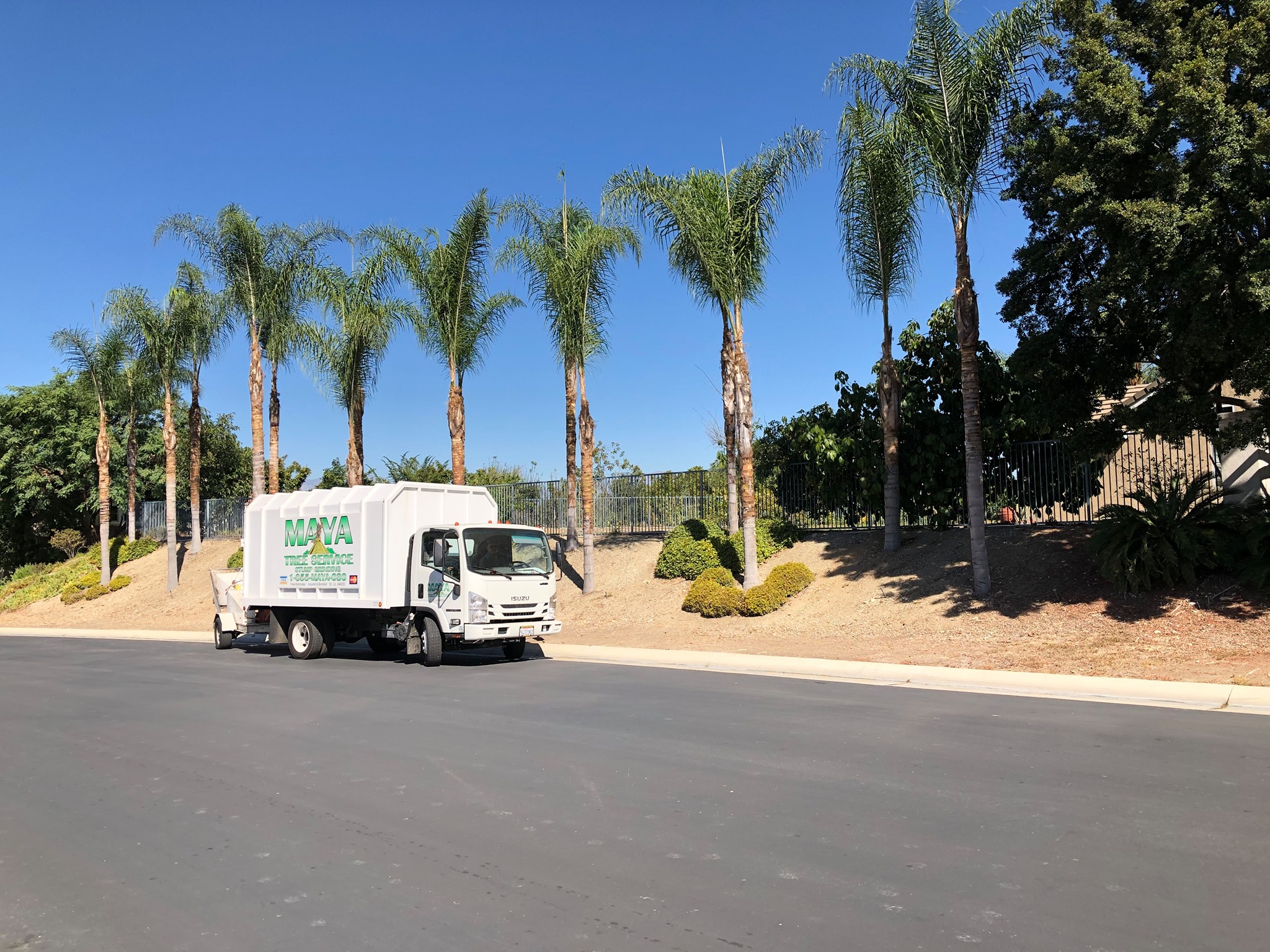
The Art of Diagnosing and Treating Tree Nutrient Deficiencies Jul 04, 2026
Understanding the basics of tree nutrition is essential. Trees, like all living organisms, require a balanced diet of nutrients to thrive. Essential nutrients like nitrogen, phosphorus, and potassium play vital roles in growth, flowering, and root development. Trees also need secondary nutrients, such as calcium, magnesium, and sulfur, and micronutrients, including iron and manganese, although in much smaller quantities. Deficiencies in any of these nutrients can lead to poor health and a myriad of issues.
The first step in diagnosing nutrient deficiencies is observation. Each nutrient deficiency presents distinct signs. For example, a nitrogen deficiency often results in yellowing of the leaves, starting from the older leaves and eventually affecting the whole tree. In contrast, iron deficiency typically causes yellowing between the veins of the newest leaves. By examining the leaf color, growth patterns, and general condition, you can begin to identify which nutrients might be lacking.
Soil testing is another crucial component of diagnosing tree nutrient deficiencies. A thorough soil test can reveal vital information about nutrient levels and soil pH, both of which significantly impact nutrient availability. At Maya Tree Service, we recommend having your soil tested by professionals who can provide detailed reports and recommendations tailored to your trees’ specific needs.
Once you’ve identified the deficiency, treating it involves a careful consideration of the type and amount of fertilizer required. While it might be tempting to apply a general-purpose fertilizer, this scattershot approach can sometimes do more harm than good, especially if one nutrient is already at optimal levels. Targeted fertilization ensures that your trees get exactly what they need, promoting vigorous growth and robust health.
Timing is another factor to consider. Fertilizers are most effective when applied at certain times of the year, depending on the nutrient. For example, nitrogen-rich fertilizers are best applied in early spring when trees are gearing up for their most active growth period. It's equally important to follow the guidelines on fertilizer application rates closely to avoid over-fertilization, which can lead to nutrient leaching and harm to the surrounding environment.
The expertise of professional arborists, like those at Maya Tree Service, can be invaluable. They bring not only the technical knowledge required to accurately diagnose and treat deficiencies but also a subtle understanding of the local conditions that can affect tree health. Professional consultations ensure that you’re on the right track to restoring your trees to full health.
In sum, diagnosing and treating tree nutrient deficiencies is an art that blends observation, scientific knowledge, and practical application. By understanding the importance of nutrients, identifying deficiencies through leaf symptoms and soil testing, and employing targeted remedies at the right times, you can maintain the vibrant health of your trees. Leveraging expert services like Maya Tree Service ensures a thorough and effective approach, allowing your trees to thrive in their natural beauty for years to come.
/filters:no_upscale()/filters:format(webp)/media/a756798d-37d9-4ba7-abb5-2df123d8d90e.jpeg)
/filters:no_upscale()/filters:format(webp)/media/38c30262-eddb-44a1-b204-4888d6dbc02c.jpeg)