A Guide to Selecting the Right Trees for Your Property's Climate Mar 09, 2026
Understanding your local climate is the first vital step. The United States alone stretches over multiple climate zones—from the cool, wet climates of the Pacific Northwest to the arid heat of the Southwest. Knowing whether you reside in a temperate, tropical, desert, or cold climate zone will significantly affect which trees will thrive on your property. For instance, palms may be quintessential for tropical climates but wouldn't fare well in frost-prone regions.
Once you've identified your climate zone, research native trees that already thrive in similar conditions. Native species are adapted to local soils and weather, making them more resilient to pests and diseases than non-native varieties. For example, if you're in the Midwestern United States, consider native options like the Sugar Maple or the American Elm. These trees are well-suited to withstand local weather patterns from season to season.
Another crucial factor in tree selection is understanding the specific soil composition of your property. Soil types can range from sandy to clay-heavy, and each tree species has its own soil preferences. Conduct a simple soil test to determine pH levels and texture, and match these findings with trees suited to those conditions. Some trees, like the Red Maple, tolerate a wide variety of soils, making them adaptable choices for many landscapes.
Furthermore, consider the amount of sunlight your desired planting area receives throughout the day. Some trees require full sun, while others prefer partial shade. For properties where taller buildings or existing mature trees cast longer shadows, shade-tolerant species like the Eastern Redbud or Dogwood could be ideal. Conversely, if your landscape is open and sunny, options such as the Eastern White Pine or Western Red Cedar might be more suitable.
When selecting trees, also think long-term. How tall and wide will the tree be at maturity? Ensure there's sufficient room for the tree to grow without interfering with structures, power lines, or other plants. Designing a landscape with foresight not only prevents future headaches but also enhances the value and harmony of your property over time.
Don't forget the importance of biodiversity. A mix of tree species can make your property more resilient against pests and diseases, as well as contribute to local wildlife. Biodiversity attracts beneficial birds and insects that help maintain the health of your landscape.
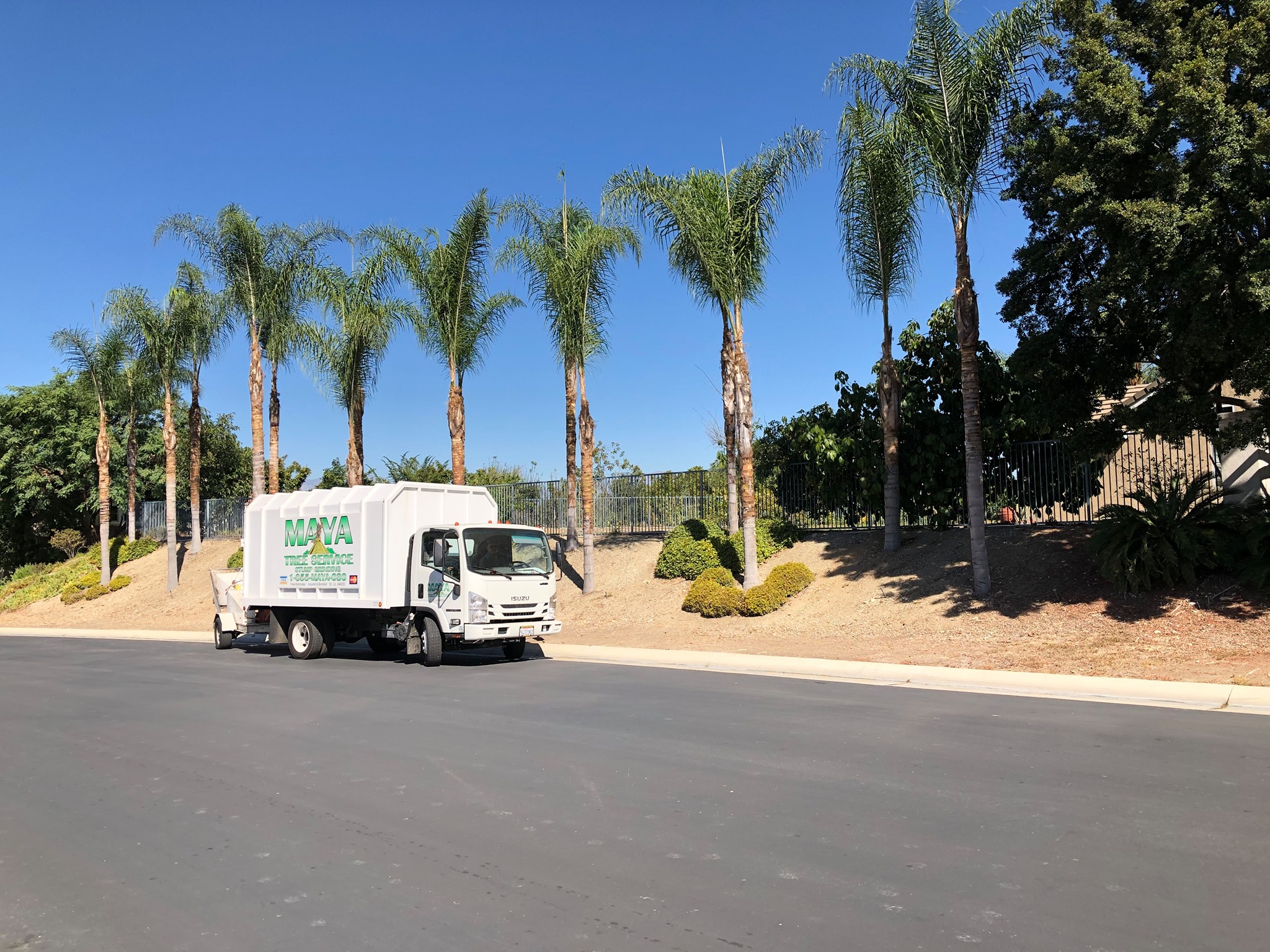
Finally, once you've done your research and have a list of potentially suitable candidates, consult with experts like Maya Tree Service. We offer professional assessments to ensure your selections align with your landscape's unique needs. Our tree service includes personalized advice and quality planting that takes your entire property into account.
In conclusion, selecting the right trees for your property's climate involves a combination of understanding your local climate, researching native species, analyzing soil characteristics, considering sun exposure, and planning for the future. By taking a comprehensive approach and leveraging expert resources, you'll be well on your way to creating a thriving and sustainable landscape. Reach out to Maya Tree Service today for personalized guidance and expert planting solutions. Your property—and the environment—will thank you.
/filters:no_upscale()/filters:format(webp)/media/a756798d-37d9-4ba7-abb5-2df123d8d90e.jpeg)
/filters:no_upscale()/filters:format(webp)/media/38c30262-eddb-44a1-b204-4888d6dbc02c.jpeg)